image.png

Herbalism for the Nutrition Professional

Learn how to use herbs safely and effectively for yourself, your family, and your clients.

  • 18 modules, spaced out over the next 18 months.

  • Monthly in-depth evidence based lectures (taught at the Masters level)

  • Case studies to put the lessons from the module into practice

  • Develop your own formulations and herbal blends for your practice

  • Online discussion groups with the ability to opt into weekly live support

  • Research herbs and create your own catalogue of herbal monographs

image.png

What's included in each module...

  • Learn

    • Comprehensive asynchronous lectures delivered at the graduate level, providing evidence-based, historically informed instruction on each module's subject matter, with emphasis on foundational knowledge and clinical understanding.

  • Research

    • Guided exploration of peer-reviewed literature and herbal monographs, including collaborative case studies designed to deepen analytical skills and support evidence-based herbalism practice.

  • Application

    • Practical frameworks and actionable protocols for integrating module concepts into professional practice, including case studies and implementation strategies for real-world herbal medicine applications.

    Module Design Philosophy

    • 18 Herbal Education Modules

      • Each module is structured around three integrated components designed to create a comprehensive educational experience: foundational knowledge delivered through graduate-level lectures, critical engagement with peer-reviewed research and literature, and practical application frameworks for clinical practice.

    image.png

    Module 1: Introduction to Herbalism

    Establishes foundational knowledge in herbal medicine through historical context, recommended resources, and an introduction to herbal actions and sourcing practices.

    image.png

    Module 2: Phytochemistry and Herbal Constituents

    Explores the molecular composition of medicinal herbs, examining how phytochemical compounds interact with the body and influence therapeutic effects in clinical practice.

    image.png

    Module 3: Herbal Actions, Energetics & Assessments

    Investigates how herbs interact with physiological systems, including the energetic principles of herbal medicine and frameworks for assessing herb-body interactions.

    image.png

    Module 4: Botanical Safety

    Provides comprehensive instruction on herb-drug interactions, botanical safety protocols, and contraindications essential for responsible clinical practice.

    image.png

    Module 5: Nervous System

    Focuses on herbal approaches to nervous system support, examining botanicals that modulate neurological function and stress response.

    image.png

    Module 6: Digestive System

    Examines herbal therapeutics for gastrointestinal health, including protocols for supporting digestive function and addressing common digestive complaints.

    image.png

    Module 7: Respiratory System

    Addresses herbal medicine applications for respiratory health, including botanicals that support lung function and respiratory resilience.

    image.png

    Module 8: Musculoskeletal System

    Explores herbal approaches to joint, muscle, and bone health, including botanicals for inflammation management and musculoskeletal support.

    image.png

    Module 9: Integumentary System

    Investigates herbal applications for skin health and wound healing, including topical formulations and systemic approaches to dermatological conditions.

    image.png

    Module 10: Cardiovascular System

    Examines evidence-based herbal interventions for cardiovascular health, including botanicals that support circulatory function and heart health.

    image.png

    Module 11: Endocrine System

    Focuses on herbal support for endocrine balance, including botanical approaches to hormonal regulation and metabolic function.

    image.png

    Module 12: Immune & Lymphatic Systems

    Explores herbal immunomodulators and botanicals that support lymphatic function, immune competence, and systemic resilience.

    image.png

    Module 13: Urinary System

    Addresses herbal therapeutics for urinary tract health, including botanical diuretics and supportive compounds for renal function.

    image.png

    Module 14: Special Populations

    Provides specialized instruction on herbal medicine applications for vulnerable populations including children, pregnant and lactating women, and elderly patients.

    image.png

    Module 15: Synergies and Formulations

    Teaches the principles of herbal formulation, including botanical synergies, extraction methods, and the creation of clinically effective herbal preparations

    image.png

    Module 16: Herbal Pharmacy Basics

    Covers pharmaceutical fundamentals specific to herbal practice, including dosage calculations, preparation standards, and quality assurance protocols.

    image.png

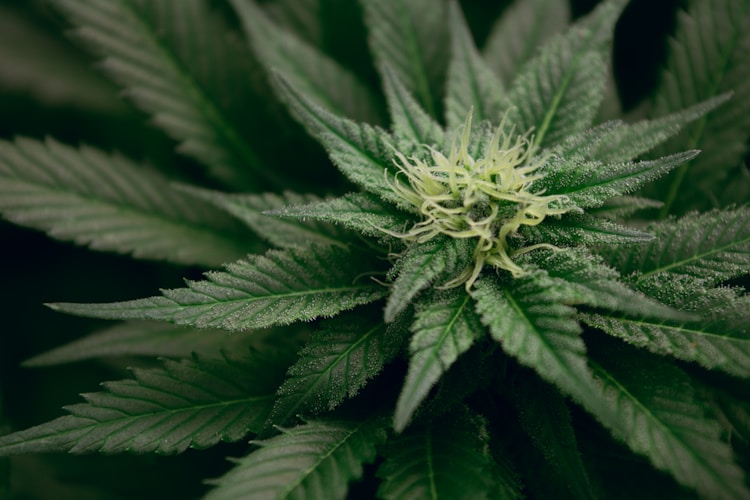
    Module 17: CBD, Cannabis & Cannabinoid Systems

    Examines the therapeutic applications of cannabinoids, including pharmacology, clinical applications, legal considerations, and integration into herbal practice.

    image.png

    Module 18: Advanced Herbal Pharmacy

    Provides advanced training in herbal formulation, including complex preparations, stability considerations, and professional-grade pharmacy practices.

    Meet your Professor:

    Betsy Miller

    DCN(c), CNS®, MS, RH(AHG)

    Betsy Miller is a clinical herbalist and Certified Nutrition Specialist (CNS) with more than 25 years of study in herbal medicine and 15 years of clinical experience. She specializes in women’s reproductive health, with a focus on fertility, prenatal support, and postpartum care, blending traditional herbal practice with evidence-informed nutrition to help clients feel empowered and well-supported through every stage of the journey.

    Betsy is adjunct faculty in the School of Integrative Health at Notre Dame of Maryland University, where she teaches Materia Medica, Herbal Pharmacy, and Botany. Alongside her teaching and clinical work, she is passionate about plant conservation, fitness, and the craft of creating hand-made herbal preparations—bringing a deep respect for both people and plants to everything she does.

    image.png

    Want to Lean More? Check out this webinar...

    Nutrition for the Herbal Professional

    Guest Lecturing Herbalists

    Meet and learn from some of the world's leading herbalists. Our guest herbalists will be leading lectures, hosting office hours, and provide ongoing educational webinars.

    image.png

    Dr. Kevin Spelman

    Expertise in Natural Products: Nutraceuticals, Botanicals, Phytonutrients and Cannabinoids

    image.png

    Mimi Hernandez

    Author of the National Geographic Herbal and co-author of National Geographic Backyard Guide to Edible Wild Plants

    image.png

    Thomas Easley

    Founder of the Eclectic School of Herbal Medicine and Co-author of The Modern Herbal Dispensatory and Modern Herbal Medicine

    Program Details

    Starts March 2nd. Early Enrollment is Open Now.

    **Use discount code EarlyBird for 20% off through Feb 14th**

    Herbalism Program

    $3750

    • Lifetime, unlimited access to the educational material

    • 18 Modules, 18 month program.

    • In depth lecture taught at the Masters levels

    • Case studies focused on the monthly topic

    • Materia medica review for the monthly topic

    • Access to a community group and discussion board

    • Monthly live guest lectures

    Clinical Track & Live Support

    $100/mo

    • Can count for supervision hours for your Registered Herbalist Credential with the American Herbalist Guild

    • Weekly live group calls

    • Mock client consultations

    • Herbal Clinical Grand Rounds

    • Office Hours

    • Small group case studies

    • Private Q&A with guest lecturer